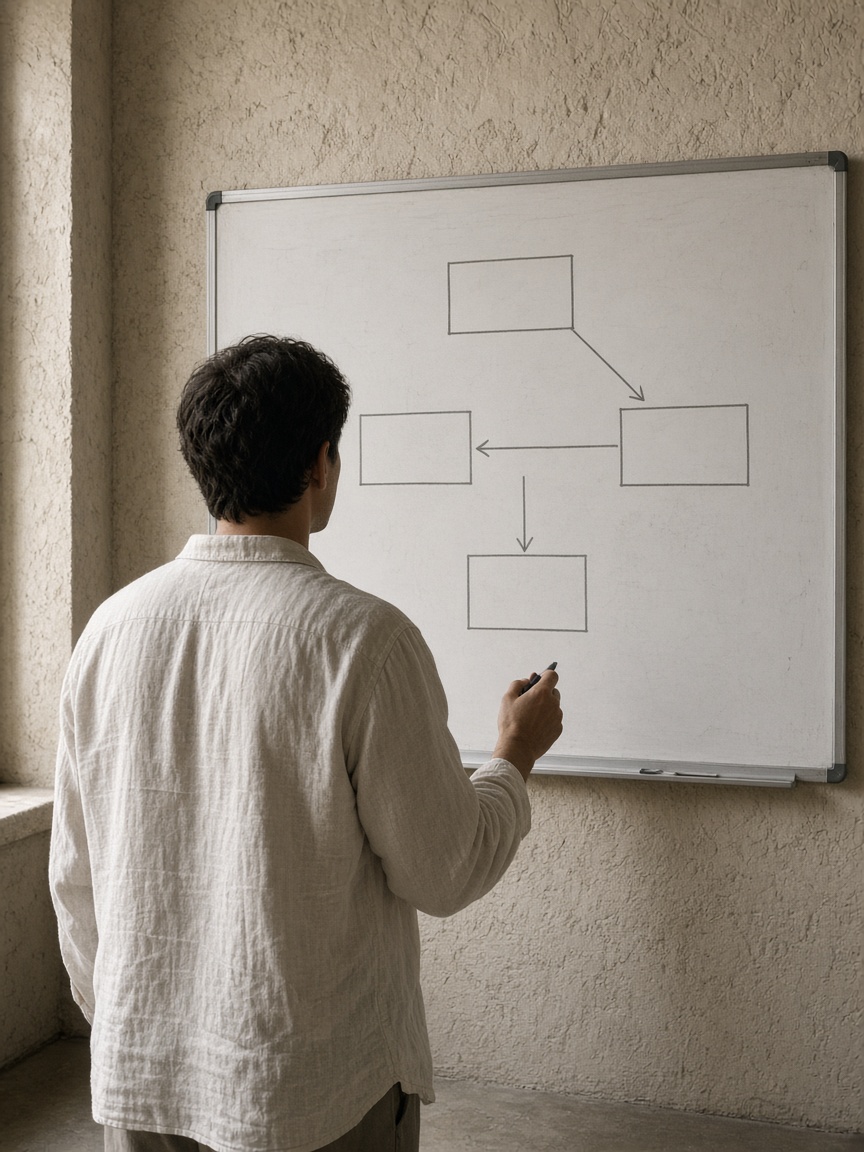
Process maps, drawn in Chișinău

On str. București we walk the floor, set the handoffs on cards, and leave a plotted map your operations lead can mark.

Send a brief
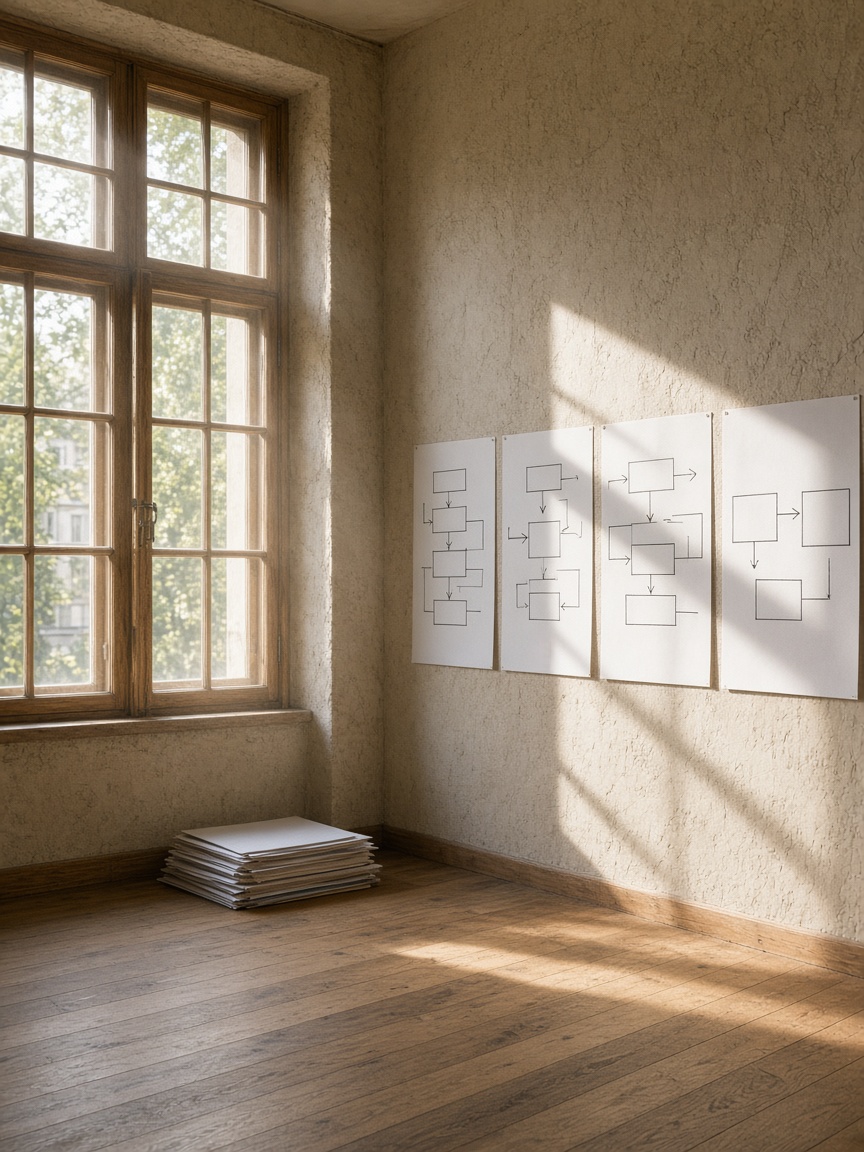
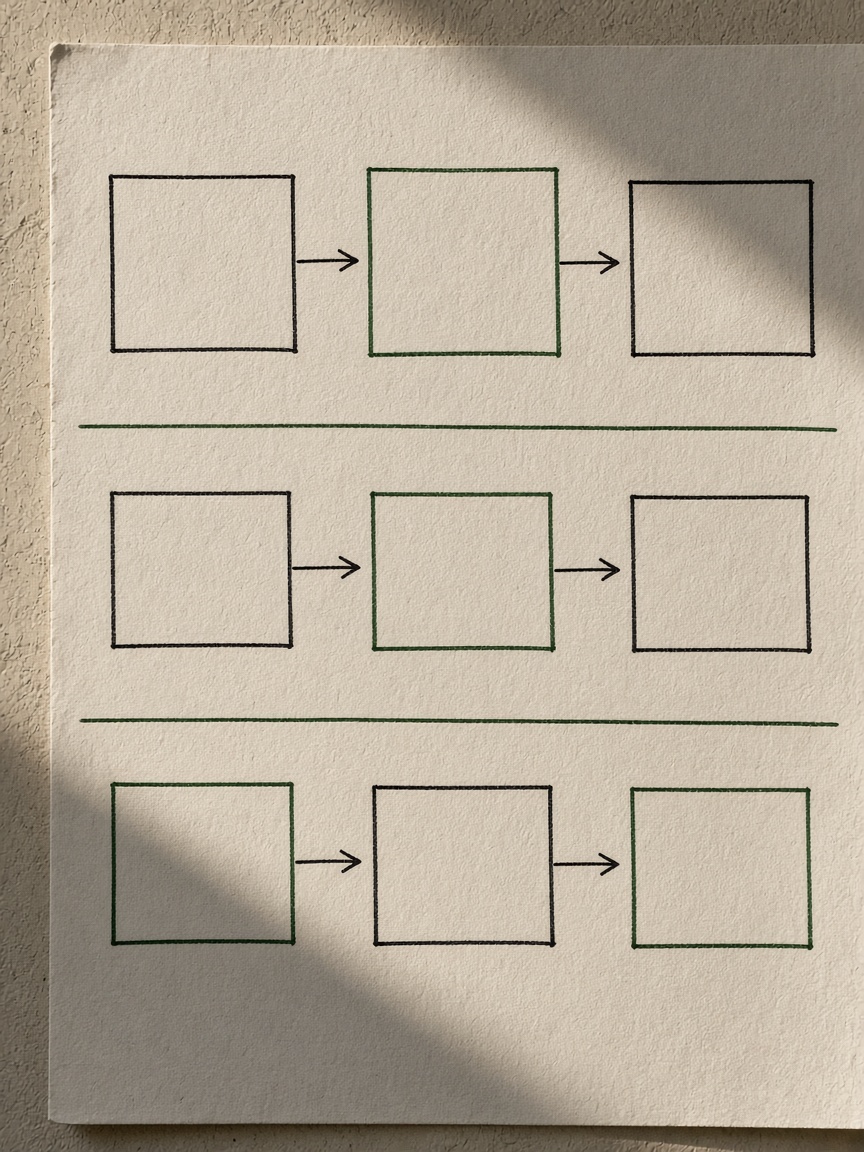
Morning light on the plaster and four sheets of empty process boxes in the studio

Light on the plaster

The second floor faces the courtyard. These are the surfaces we use before anything is plotted.

Blank notes in grey, ochre, and green above a tray of markers
Markers and blank notes on the plaster, before a lane has a name.
Columns of blank cards on the studio table
Cards in columns on the long table.
Plotter with a blank sheet and four paper rolls
Rolls waiting beside the plotter.
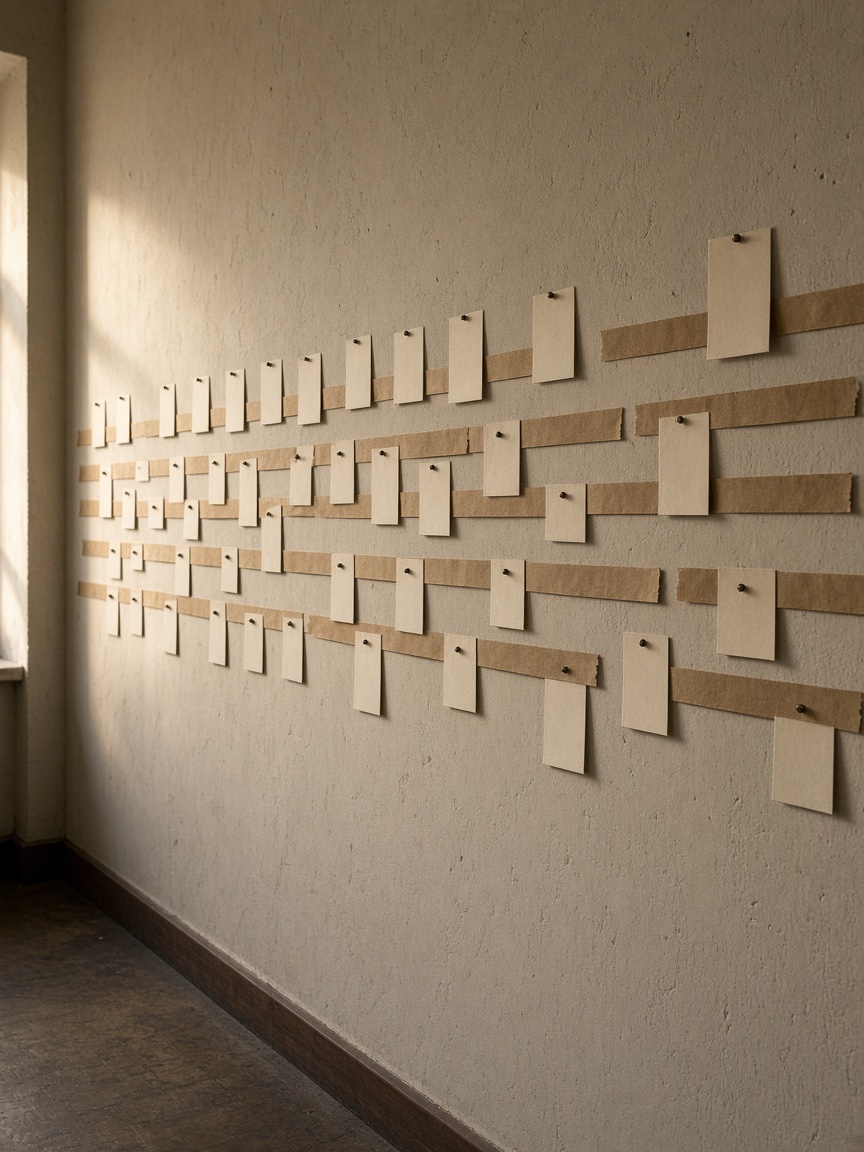
A long wall of pinned cards and kraft strips
The timeline wall, one strip for each visit.
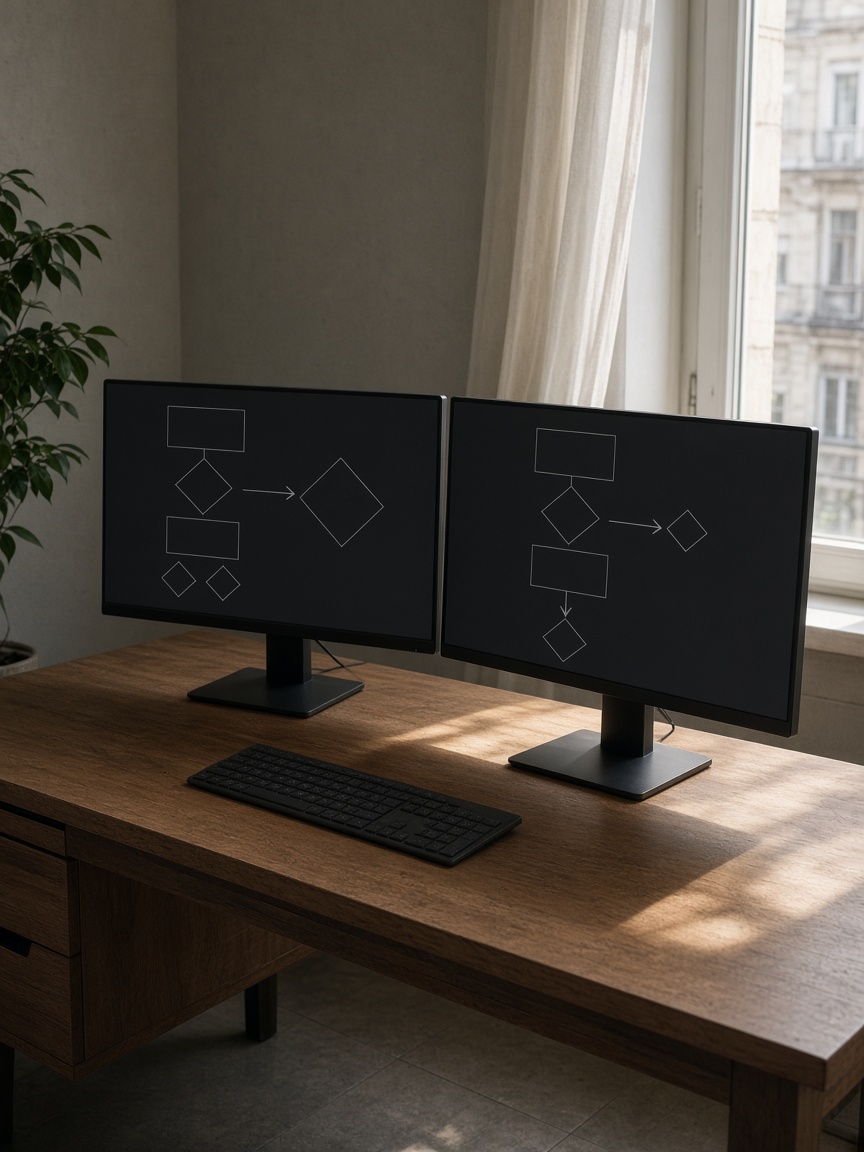
Monitors with diagrams and no labels
Screens, after the wall has been agreed. The labels are still off.
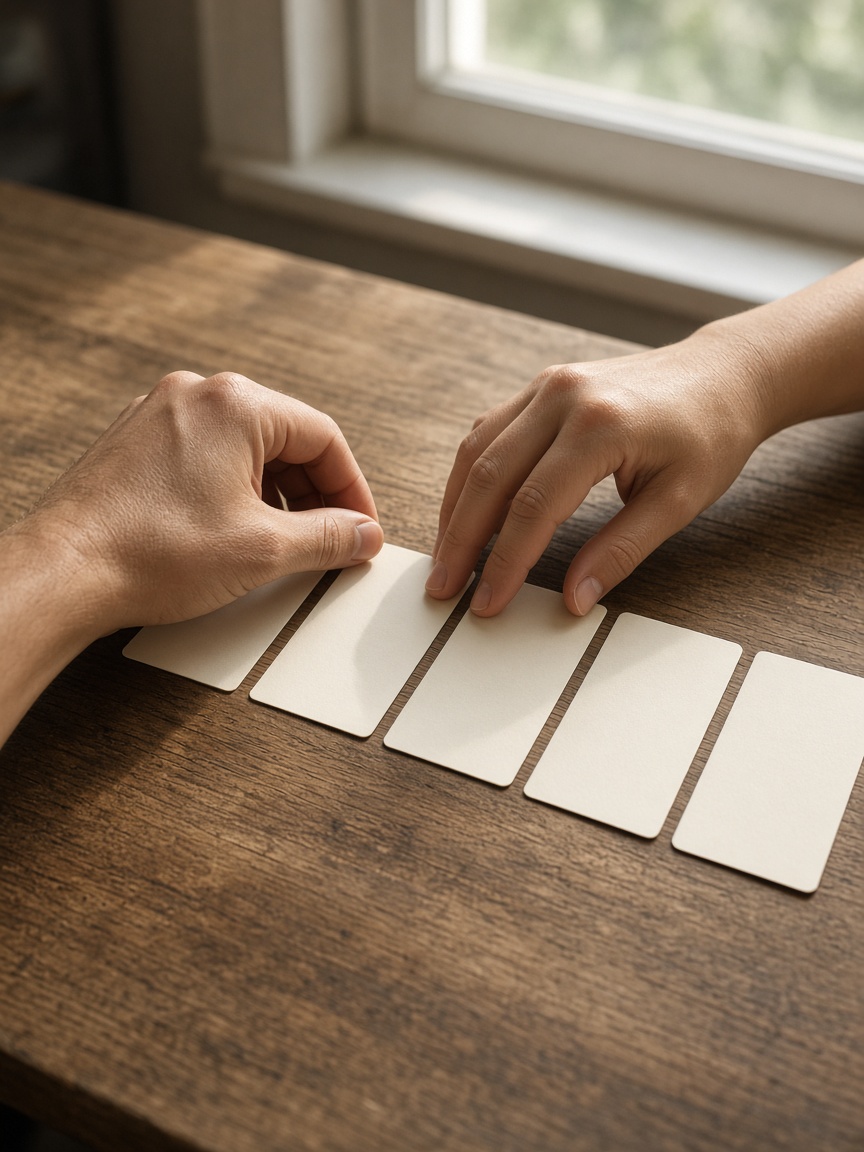
Two hands arranging cards into a sequence
Hands setting the order of a handoff.

The hall and the plotter corner

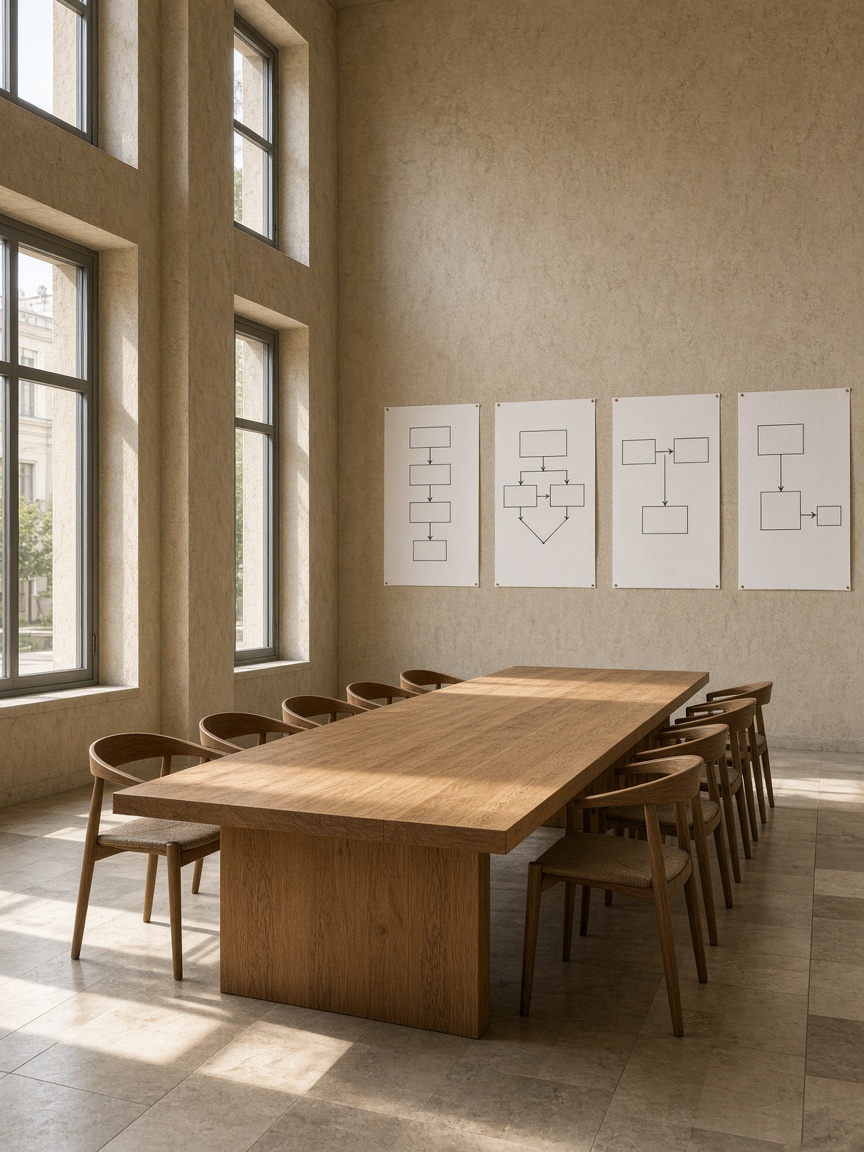
The hall, with a long oak table and four sheets of process boxes on the wall
The hall faces the courtyard. Eleven seats at the table, and six more along the window when a whole shift comes to a review.
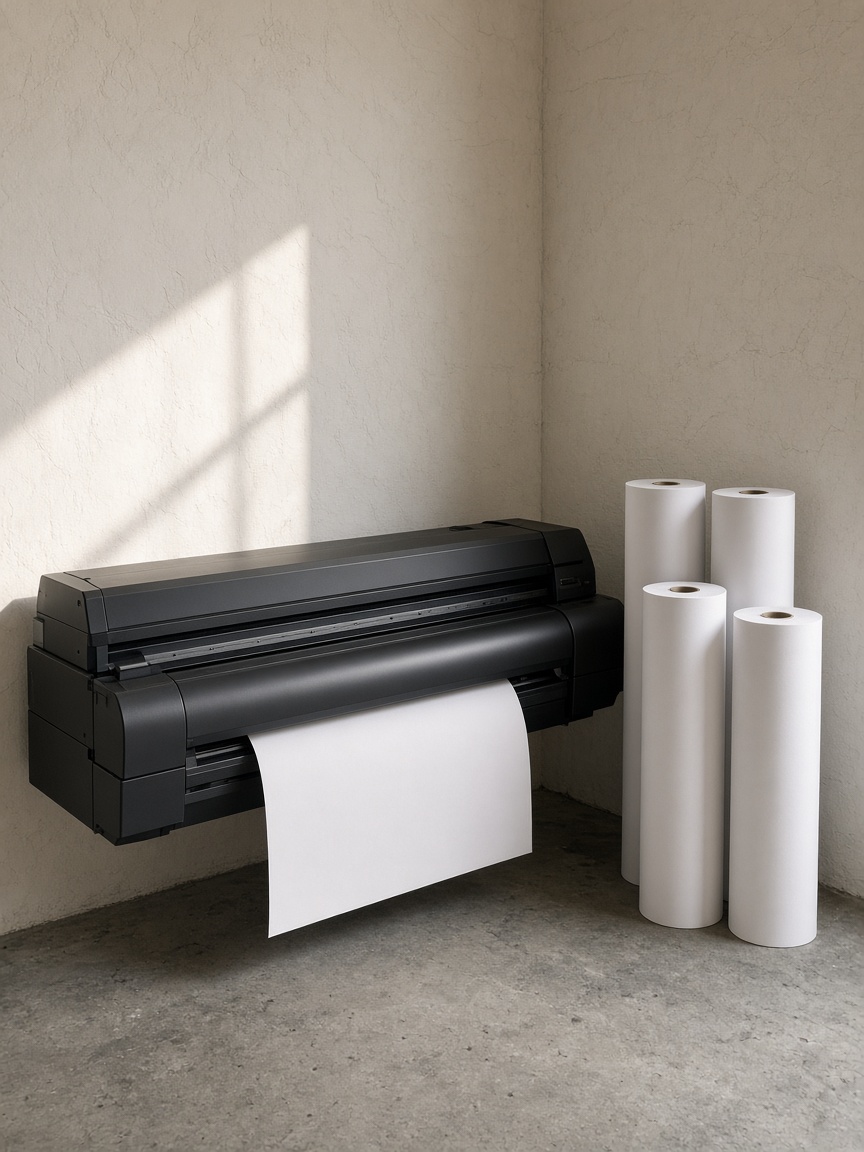
The plotter in the corner with rolls of blank paper
The plotter takes a 914 mm roll. We print the sheet that was marked in the review, not the draft that was on the wall the week before.
Timeline of blank cards along the side-room wall
The timeline wall, one job across the visits.
A person marking empty boxes on the studio board in the morning

Eighteen working days, if the brief is whole

  1. Walk while it is still ordinary

    We book the recce on a working morning and write the order of hands before anyone gives us the official version. In the centre of the city that means leaving the studio at 08:10.

  2. A card for every handoff

    Blank cards go on the table in the hall, one per pass of the file, the ticket, or the pallet. The columns become the draft lanes. Job titles from the org chart are not allowed on the first day.

  3. Marker, with the software still closed

    The board gets rectangles and arrows. Labels go on only when two visits have described the same step. The screen stays dark until the wall has settled.

  4. The roll leaves the studio

    After the review marks are in, we plot at 914 mm. You get the sheets and a short scenario note: the straight path, two exceptions, and the wait.

Same wall, three kinds of work

What we write down on the floor

Mapping is the as-is. We do it on paper first. A lane is a person we met, not a box on an org chart. A step is something that person did while we were standing there, or something two people described the same way on different days.

If only the manager knows the step, it goes in the margin as a claim, not in the lane. The notebook stays closed until the order of hands is obvious. In Centru that is usually a weekday morning, with the real queue, not the one prepared for a visit.
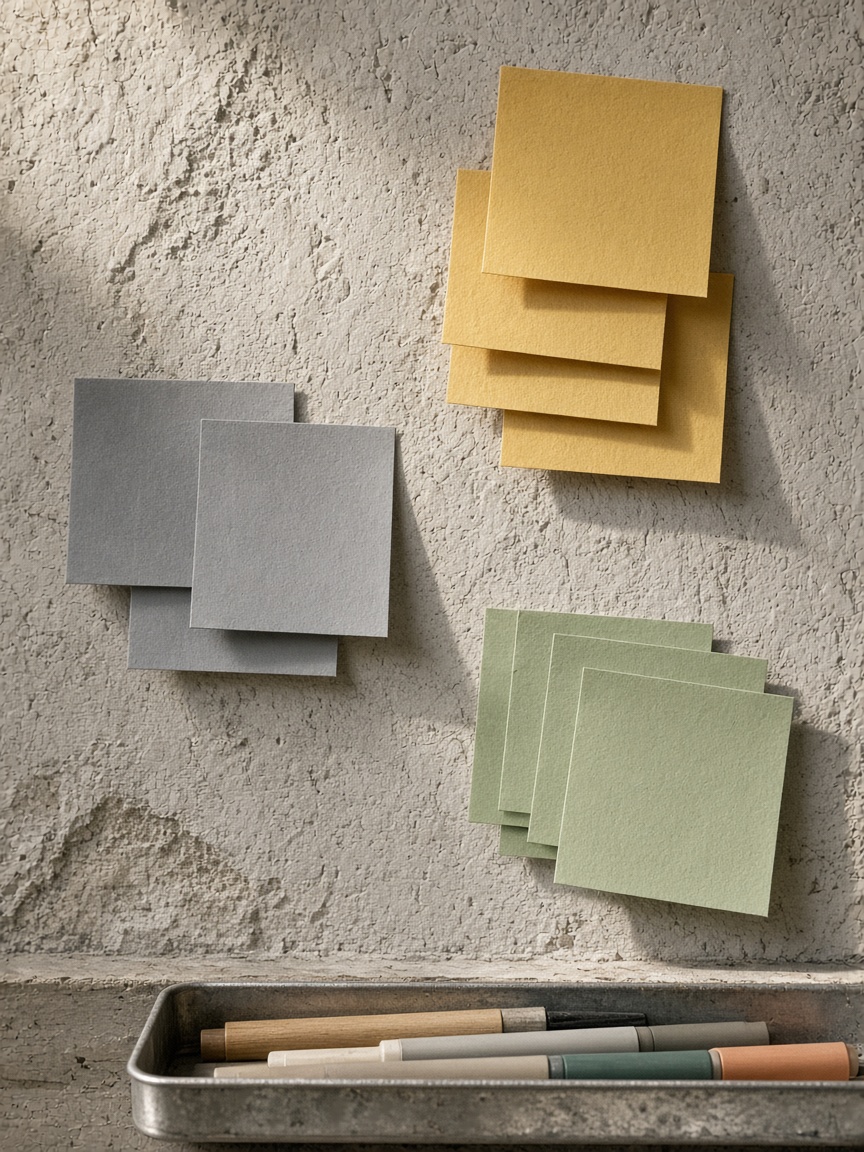
Blank notes and markers on the plaster wall of the studio

What goes into the model

The screen opens after the wall is agreed. The model is the same lanes, made so a later change can be checked against them.

Lane
One row for each role that touches the job. If two titles are the same person on a shift, the lane is the person.
Handoff
The moment the file, the pallet, the ticket, or the screen changes hands. A handoff with no receiver is drawn as a stop, not skipped.
Wait
Its own step when it is longer than the work around it. The lab ticket and the shelf upstairs are the usual ones in this city.
System
Named only after we have seen it open. A second system on the same desk gets its own note, not a silent merge with the first.
Exception
The path that happens on a bad day, drawn beside the straight path. It is not a footnote and it is not a future state.

A review morning in the hall

The sheet is already on the wall. The person who does the job speaks before the person who owns the procedure.

How the morning is paced

  • 08:40The plotted sheet is on the wall before anyone arrives from the client.
  • 09:05The person who does the job walks the lane and marks what is wrong. The manager speaks second.
  • 10:30Corrections go on the sheet in a second color. We do not tidy them away during the meeting.
  • 12:00If the sheet is agreed, it is plotted again and rolled. If it is not, the next review is dated before anyone leaves.

A box stays on the map only if someone in the room has done that step this month.

That rule is written on the side of the board on the second floor. It is why we will not draw a future state on the first visit.

Send the version you have

A brief is enough if it names the place, the job, and the date you need the sheets. We reply with a time for a morning on the floor, or with what is still missing.

str. București 71, et. 2 MD-2012, mun. Chișinău Republic of Moldova +373 22 844 619 [email protected]